

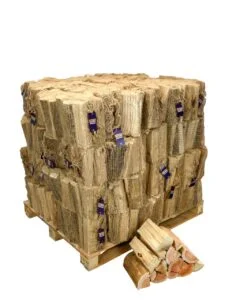
The shoulder seasons can be some of the hardest times to judge heating needs. One evening may feel mild, while the next is cold enough to justify lighting the stove. For households using firewood, autumn and spring therefore call for a more flexible approach than the middle of winter. Instead of following a fixed heating routine, it makes sense to respond to room temperature, weather changes, and how long people will actually be at home. This can help prevent unnecessary fuel use while still keeping living spaces comfortable.
Avoid Treating Every Cool Evening Like Winter
A cool autumn evening does not always require a full winter-style fire. When outdoor temperatures are only slightly lower, a shorter burn may be enough to take the chill out of the room. Loading the stove heavily can lead to overheating, especially in smaller living spaces.
Start with a modest fire and give the room time to respond. If more warmth is needed later, another log can be added. This approach gives homeowners more control than building a large fire immediately.
Use Daylight Warmth to Your Advantage
Autumn and spring often provide useful warmth during the daytime, even when evenings turn cold. Opening curtains on sunny days can allow natural heat into the room. Once temperatures begin to fall, closing them again can help retain some of that warmth.
This may delay the need to light the stove. By using natural heat where possible, households can reserve fuel for the hours when it genuinely adds comfort rather than burning simply because the season has changed.
Plan for Shorter Heating Sessions
Mid-winter fires may run for several hours, but shoulder-season heating is often much shorter. A stove might only be needed for an hour or two in the evening. In this situation, loading large pieces designed for a long burn may not make sense.
Smaller, well-managed loads can suit shorter sessions better. The important point is to match the fire to the amount of time the room will be occupied rather than automatically using the same routine developed during colder months.
Watch Indoor Temperature, Not Just the Forecast
Outdoor temperature is useful, but it does not always reflect how the house actually feels. A sunny day may leave rooms warmer than expected, while a damp and windy evening can make the same temperature feel much colder. Before lighting the stove, check the comfort level inside.
If the room is already reasonably warm, the fire may not be necessary yet. This simple habit can prevent fuel being used out of routine instead of actual need.
Pellet Heating Needs Seasonal Adjustment Too
Homes using compatible systems with wood pellets should also adjust their settings as seasonal demand changes. A heating schedule that worked well in January may be excessive in April or October. Shorter operating periods or lower output settings may be more appropriate, depending on the appliance.
It is worth reviewing timers and temperature settings as the weather changes. This helps avoid running the system simply because winter settings have been left unchanged.
Keep a Smaller Indoor Supply
During the coldest part of winter, keeping enough fuel close to the stove can be convenient. In milder months, less is usually needed. A small basket may be sufficient for occasional evening fires. This reduces clutter and makes it easier to see how much fuel is actually being consumed. The main supply can remain in its usual dry, ventilated storage area until needed. Smaller indoor quantities also discourage unnecessary loading simply because extra logs are close at hand.
Use the Season to Review Fuel Condition
Spring and autumn are useful times to inspect stored fuel. After winter, check what remains and identify any damp or damaged stock. Before the next cold season begins, review the storage area again to make sure rain, leaks, or poor ventilation have not affected the supply.
These transition periods are ideal for small maintenance tasks. A quick tidy, roof repair, or change in stacking can prevent bigger problems once regular winter use begins again.
Let Heating Habits Change Gradually
One of the easiest ways to waste fuel is to switch too quickly between summer and winter routines. Heating needs usually change gradually. A household may go from no stove use, to occasional evening fires, and only later to daily heating.
The same gradual approach can be used in spring as temperatures rise. Reducing stove use step by step helps fuel consumption follow real conditions rather than the calendar.
Conclusion
Autumn and spring require flexibility rather than a fixed wood-heating routine. Shorter fires, smaller loads, seasonal appliance adjustments, and attention to indoor comfort can all help prevent unnecessary fuel use during milder weather. These months are also a useful time to inspect remaining supplies and prepare storage for the season ahead. By adapting heating habits gradually, homeowners can stay comfortable without treating every cool day like mid-winter, making the transition between seasons smoother and more economical.