

Key Takeaways
-
Emphasis on sustainable and low-maintenance landscapes.
-
Integration of smart technology in outdoor spaces.
-
Designing for climate resilience and environmental sustainability.
-
Creation of wellness-centered outdoor areas.
-
Use of natural materials and eco-friendly construction practices.
Table of Contents
-
Sustainable and Low-Maintenance Landscapes
-
Smart Technology Integration
-
Climate-Resilient Designs
-
Wellness-Centered Outdoor Spaces
-
Natural Materials and Eco-Friendly Practices
-
Conclusion
The landscape construction sector is experiencing rapid transformation, driven by an increased focus on sustainability, advanced technology, and holistic well-being. In metropolitan areas such as Minneapolis, MN, new approaches are emerging to deliver outdoor environments that are both attractive and responsible. For those seeking expert guidance in the region, landscape construction Minneapolis MN services showcase how modern techniques and sustainable practices come together to create functional and visually appealing spaces.
Today’s landscape construction focuses on adapting to environmental changes while enhancing convenience and usability, applicable to urban gardening, commercial projects, and private retreats. Designers employ innovative practices and sustainable materials, leading to outdoor spaces that are both aesthetically pleasing and resilient. These trends prioritize resource conservation, reduced maintenance, and increased enjoyment, aiming for ecologically sound and visually appealing environments as 2026 approaches. The future of landscape construction will center on advanced technology integration, efficient water management strategies, and initiatives to support local ecosystems, promoting healthier lifestyles and fostering stronger community ties as people reconnect with nature.
Sustainable and Low-Maintenance Landscapes
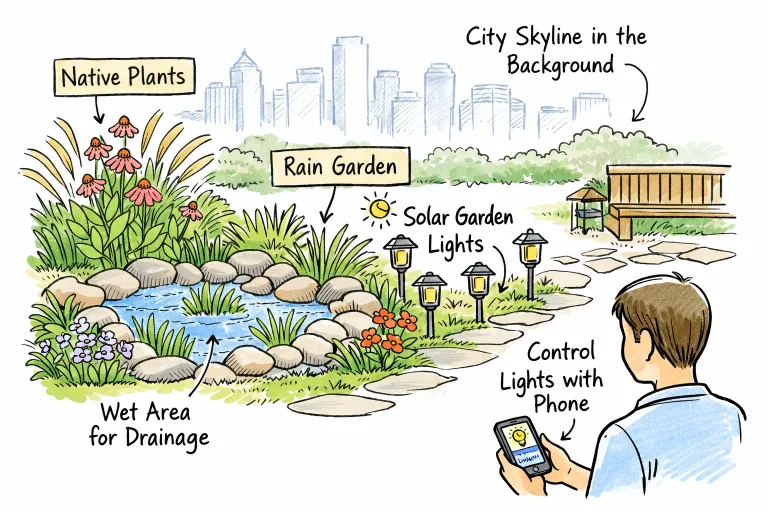
A pivotal trend in 2026 is sustainability, with homeowners and developers increasingly using native and drought-tolerant plant species to minimize water and maintenance needs. Incorporating robust systems such as drip irrigation and rain gardens helps manage stormwater and naturally nourishes the soil. These functional landscapes promote a healthier local ecosystem, support pollinators, and create a self-sustaining outdoor environment for years to come.
Adopting sustainable landscapes also aligns with the movement to lower long-term costs and reduce reliance on chemical fertilizers and pesticides. By fostering biodiversity and building soil health, modern landscapes are transforming underused outdoor spaces into valuable ecological assets.
Smart Technology Integration
Smart technology is revolutionizing landscape construction, delivering improved efficiency and personalized experiences. Advanced irrigation systems analyze local weather and soil conditions to optimize hydration schedules, reducing water waste and ensuring healthy plantings. Homeowners can now control lighting, irrigation, and audio features with mobile devices, effortlessly tailoring the outdoor atmosphere for any occasion.
Integration of sensors, solar-powered devices, and app-connected infrastructure not only adds convenience but also enables real-time monitoring of landscape health. Strategic lighting and entertainment features further elevate outdoor living, making spaces safer, more versatile, and more enjoyable for families and guests.
Climate-Resilient Designs
With more frequent weather extremes, climate-responsive design has become essential. Features such as rain gardens and bioswales capture and filter stormwater runoff, protecting both landscapes and municipal infrastructure from erosion and flooding. The use of permeable pavements and open-graded bases improves natural water infiltration, reducing surface pooling and the damage caused by freeze-thaw cycles common in colder regions.
These resilience strategies also help landscapes recover from droughts and heavy rain, extending the usability and lifespan of outdoor environments. By selecting materials and plants adapted to shifting climate patterns, designers ensure that landscapes remain robust and functional regardless of weather conditions. For additional information on climate resilience, Vectorworks’ landscape trends provide comprehensive insights.
Wellness-Centered Outdoor Spaces
Today’s landscape construction embraces wellness by crafting inviting outdoor environments that promote both mental and physical health. Features like meditation zones, shaded seating, and looped walking paths encourage daily movement, mindfulness, and social engagement. Natural elements, soothing water features, and intentionally designed planting schemes foster relaxation, reduce stress, and heighten overall well-being.
The goal is to make the outdoors a true extension of the home, supporting healthier lifestyles for individuals and building stronger community bonds. In both urban and suburban settings, these wellness-centered landscapes offer needed respite from fast-paced living, bringing restorative benefits within easy reach.
Natural Materials and Eco-Friendly Practices
Utilizing natural materials such as reclaimed wood, stone, and native plants is increasingly popular in 2026 landscape projects. These materials provide durability, seamless environmental integration, and timeless visual appeal. Eco-friendly construction techniques, including the use of recycled and locally sourced materials and minimal-impact methods, support a more sustainable industry.
Projects that prioritize responsible sourcing and reduce waste demonstrate commitment to environmental stewardship. Emphasizing these eco-friendly approaches benefits both the immediate property and the broader community by reducing the overall carbon footprint and promoting responsible development practices.
By embracing these trends, landscape construction in 2026 continues to evolve, creating functional, sustainable, and appealing outdoor spaces tailored to modern lifestyles and environmental challenges.
Conclusion
Landscape construction in 2026 emphasizes a synergy of innovation, sustainability, and human well-being. It focuses on integrating eco-friendly practices, smart technologies, and climate-resilient designs. Modern landscapes serve not only aesthetic purposes but also function as systems that enhance environmental health and daily life. These designs prioritize resource conservation, adaptability to changing conditions, and long-term value for homeowners and communities. The future of landscaping advocates for creating outdoor spaces that are both beautiful and functional, ensuring resilience, efficiency, and enrichment through sustainability and technological advancements.