

Table of Contents
-
Understanding Preventative Maintenance
-
Avoiding Costly Repairs
-
Enhancing Fuel Efficiency
-
Extending Vehicle Lifespan
-
Improving Safety
-
Boosting Resale Value
-
Key Maintenance Practices
-
Conclusion
Preventative auto maintenance is a proactive approach to keeping your vehicle running safely and efficiently while avoiding costly repairs. By addressing routine tasks such as oil changes, tire rotations, brake inspections, and fluid checks, drivers can catch minor issues before they develop into major problems. This approach not only saves time and money but also extends a vehicle’s life and ensures a smoother, more reliable driving experience.
For residents of Lynnwood, incorporating regular checkups and consulting a trusted car repair Lynnwood WA when issues arise can make a significant difference. Following a consistent maintenance schedule tailored to your vehicle’s needs allows small problems to be addressed promptly, preventing expensive repairs and helping drivers stay on the road with confidence.
Understanding Preventative Maintenance
Preventative maintenance focuses on regularly scheduled inspections and service tasks that keep your vehicle functioning efficiently and safely. These duties include oil and filter changes, tire rotations, brake inspections, and checking essential fluids. The main goal is to spot potential trouble before it leads to malfunctions or expensive repairs. Establishing a maintenance schedule based on your vehicle’s manufacturer recommendations and driving habits allows you to catch small issues—and prevent them from growing into costly problems.
Avoiding Costly Repairs
Catching small issues early is one of the most significant advantages of preventative maintenance. When a minor issue, such as a worn belt or low fluid level, goes unchecked, it can lead to more extensive and costly damage to engines and other components. For example, a neglected timing belt can snap, causing catastrophic engine failure, while a routine replacement typically costs much less. Staying consistent with regular maintenance checks gives you control over your expenses and keeps your vehicle dependable.
Enhancing Fuel Efficiency
Effective maintenance practices make your vehicle more efficient and can translate directly into savings at the gas pump. Keeping tires properly inflated, replacing dirty air or fuel filters, and ensuring spark plugs are in good condition all contribute to an optimally tuned engine. Simple steps can markedly improve your car’s fuel economy over time. Over the course of a year, this can add up to hundreds of dollars in fuel savings, especially for vehicles driven long distances or used daily in stop-and-go traffic.
Extending Vehicle Lifespan
Vehicles that receive routine care and attention often last much longer than those that do not. From keeping your engine lubricated with fresh oil to replacing brake pads and other wear items, every step helps reduce long-term wear and tear. Extending your vehicle’s lifespan lets you delay the considerable cost of purchasing a replacement, allowing you to get more value from your current car.
Improving Safety
The safety of you and your passengers depends on the proper function of critical systems such as brakes, tires, and steering mechanisms. Routine checks ensure these components meet safety standards, are free from defects, and can handle emergency situations. Fixing worn-out brake pads or replacing damaged tires as soon as issues arise keeps your risk of accidents at a minimum, providing peace of mind every time you get behind the wheel.
Boosting Resale Value
If you plan to sell or trade in your vehicle at some point, a complete maintenance record and a well-kept car can significantly increase your resale value. Buyers typically look for vehicles with documented service history as proof of responsible ownership. Showing that your car has been maintained on a regular schedule makes it more appealing in the used market, leading to faster sales and better offers.
Key Maintenance Practices
-
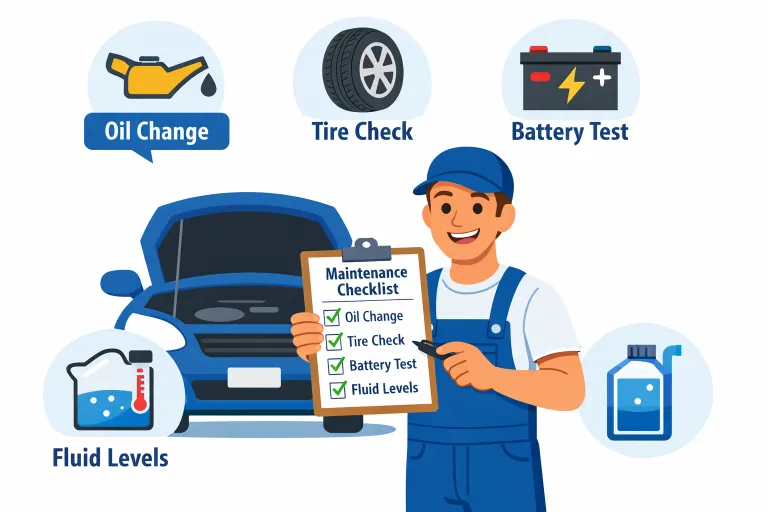
Oil Changes: Keeping oil fresh and clean helps your engine run smoothly and extends its life by reducing friction and wear.
-
Tire Maintenance: Rotate your tires regularly and maintain proper air pressure to promote even wear, reduce replacements, and improve safety.
-
Brake Inspections: Routinely check the thickness of your brake pads and replace them before they become dangerously thin.
-
Fluid Checks: Monitor the levels and condition of fluids, including coolant, transmission fluid, brake fluid, and power steering fluid, to ensure optimal performance and system protection.
-
Battery Maintenance: Clean battery terminals periodically and test the battery’s charge, especially before winter and summer, to avoid sudden breakdowns.
Conclusion
Preventative auto maintenance empowers you to protect your vehicle, boost its performance, and minimize repair costs over its lifetime. By committing to regular service, you not only enhance on-road safety but also gain more years of reliable transportation. Keep a consistent maintenance schedule, follow expert recommendations, and trust professional support to maintain your vehicle’s value and dependability for years to come.