

Workplace safety is the cornerstone of any successful and sustainable organization. When a company prioritizes the well-being of its employees, it not only prevents life-altering accidents but also fosters a culture of trust, efficiency, and high morale.
A safe work environment requires constant vigilance, comprehensive training, and a proactive commitment to identifying and mitigating hazards before they cause harm.
By implementing structured safety protocols, you can transform your facility into a secure space where everyone can perform their duties with confidence. Safety is not a one-time project but an ongoing commitment that involves every individual in the organization.
Enhancing Logistical Safety Through Durable Forklift Ramps
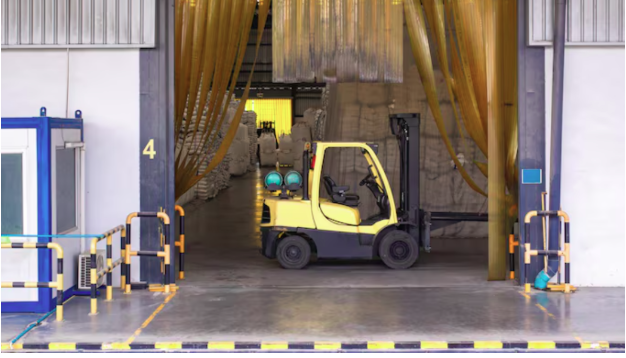
The movement of heavy goods is a significant risk factor in many industrial settings. Installing high-quality, slip-resistant forklift ramps is a vital step toward preventing equipment tip-overs and loading accidents.
These ramps create a stable transition between different surface heights, allowing operators to move materials with precision and control.
When your loading zones are equipped with properly engineered infrastructure, the likelihood of forklift-related incidents decreases substantially.
Regular inspection of these ramps ensures they remain free of structural damage or debris, providing a secure path for daily operations and protecting both your staff and your valuable equipment from unnecessary mishaps.
Maintaining Clean And Secure Floors With A Pressure Washer Surface Cleaner
A clean workspace is an inherently safer workspace. Fluid spills, grease, and dust accumulation are primary causes of slips, trips, and falls, which remain the most common workplace injuries.
Utilizing a professional-grade pressure washer surface cleaner is the most effective way to eliminate stubborn contaminants from your factory or warehouse floors.
Unlike manual scrubbing, this equipment deeply penetrates porous surfaces to remove dangerous slick spots.
By maintaining a pristine floor, you significantly reduce the risk of accidents, allowing your team to move through the facility without the constant danger of losing their footing. Clean environments also reflect professionalism and attention to detail.
Cultivating A Culture Of Constant Safety Awareness
True safety starts with the mindset of every person in the building. Conducting regular safety meetings and toolbox talks ensures that every employee understands the risks associated with their specific roles.
When workers are encouraged to report potential hazards without fear of reprimand, the entire organization benefits.
Promoting open communication allows management to fix small issues, such as frayed wiring or blocked exits, before they escalate into dangerous situations. A well-informed workforce is the strongest barrier against accidents.
Ensuring Proper Usage Of Personal Protective Equipment
Personal Protective Equipment (PPE) is your last line of defense in hazardous environments. Whether it involves safety goggles, high-visibility vests, or hard hats, enforcing strict compliance with PPE standards is non-negotiable.
Management must ensure that all gear is not only provided but is also properly fitted and regularly inspected for wear. Training programs should reinforce the importance of wearing the correct equipment for each task, ensuring that safety becomes a reflexive habit for every employee throughout their shift.
Establishing Clear Protocols For Emergency Situations
Even in the safest workplaces, emergencies can happen. Having a well-documented and practiced evacuation plan is crucial for minimizing panic and ensuring a quick, orderly exit for everyone on-site.
Conducting regular drills ensures that every staff member knows exactly where to gather and how to act during a fire, chemical spill, or medical emergency.
Preparedness reduces confusion, which is often the most dangerous factor during a crisis. Clear signage and marked exit routes should be maintained to guide personnel during stressful situations.