

Key Takeaways
-
Smart HVAC systems are revolutionizing home climate control with AI and IoT integration.
-
Energy-efficient heat pumps and ductless systems are gaining popularity for their cost savings and flexibility.
-
Indoor air quality is a growing focus, with advanced filtration and purification systems becoming standard.
-
Geothermal heating and cooling systems are becoming more accessible, offering sustainable solutions.
-
Regular maintenance and proper system sizing are crucial for optimal performance and longevity.
As we move into 2026, homeowners are increasingly seeking innovative solutions to enhance comfort, improve energy efficiency, and reduce environmental impact. The heating, ventilation, and air conditioning (HVAC) industry is responding with cutting-edge technologies and trends that cater to these evolving needs. Working with a knowledgeable HVAC contractor Monroe LA can help homeowners navigate these advanced solutions and choose the right approach for their unique needs.
New HVAC technologies are no longer just about heating and cooling. Today’s systems deliver advanced climate control, cleaner indoor air, and reduced utility bills, all while supporting sustainability efforts. As demand grows for smart and efficient home solutions, homeowners now have more options than ever before to create comfortable and healthy living environments.
Smart HVAC Systems and Home Automation
The integration of smart technology into HVAC systems is transforming how homeowners manage indoor climates. Modern systems equipped with artificial intelligence (AI) and Internet of Things (IoT) capabilities learn user preferences and adjust settings automatically, optimizing comfort and energy usage. For instance, smart thermostats can detect occupancy and adjust temperatures accordingly, leading to significant energy savings. Additionally, remote access via smartphone apps allows homeowners to control their systems from anywhere, providing convenience and peace of mind.
Recent studies from experts like the U.S. Department of Energy have shown that smart thermostats and automation features can cut heating and cooling costs by up to 10 percent annually by preventing unnecessary energy consumption. As utility costs continue to rise, these innovations are gaining traction with homeowners looking for long-term savings and greater climate control.
Energy-Efficient Heat Pumps and Ductless Systems
High-efficiency heat pumps and ductless mini-split systems are becoming increasingly popular due to their energy-saving potential and adaptability. Advanced heat pumps utilize inverter and variable-speed technology to adjust output based on real-time demand, resulting in smoother temperature control and reduced energy consumption. Ductless systems offer zoned comfort control, allowing different temperatures in each room, and are ideal for homes without existing ductwork or for room additions. These systems not only enhance comfort but also contribute to lower utility bills.
According to resources, ductless systems are also a cost-effective solution for retrofitting older homes. By delivering conditioned air directly to specific zones, they reduce the inefficiencies associated with leaky ductwork found in traditional systems.
Enhanced Indoor Air Quality
With growing awareness of health and wellness, indoor air quality has become a top priority for homeowners. Advanced air purification technologies, such as HEPA filters and UV germicidal lights, are being integrated into HVAC systems to remove airborne contaminants, allergens, and pathogens. These solutions help create healthier living environments by improving respiratory health and overall comfort. Additionally, smart HVAC systems can monitor air quality and humidity levels, providing real-time data and alerts to homeowners.
Rising concerns around allergens and airborne diseases have made high-performance filtration and purification more commonplace in both new installations and system upgrades. These improvements, combined with regular maintenance, are critical to maintaining a safe and comfortable home atmosphere.
Geothermal Heating and Cooling Systems
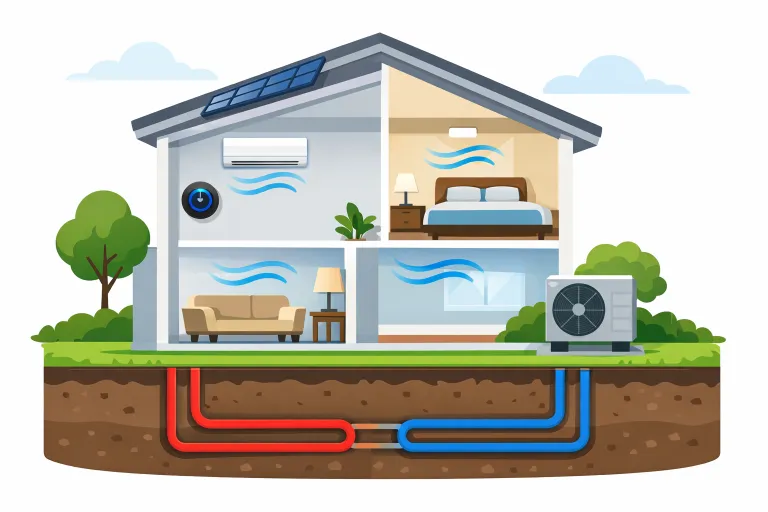
Geothermal heat pumps, which utilize stable underground temperatures to provide heating and cooling, are gaining traction as a sustainable and cost-effective solution. These systems can reduce energy usage by up to 61 percent compared to standard units, offering significant long-term savings. Innovative financing models are making geothermal systems more accessible to homeowners, with some programs offering installations for as little as $10 to $40 per month. This shift is making geothermal a viable option for a broader range of households.
Industry-wide efforts to promote sustainability are encouraging increased adoption of geothermal and other renewable technologies. Many homeowners are seeking these solutions not only for savings but also due to their low environmental impact.
Importance of Regular Maintenance and Proper System Sizing
Ensuring that heating and cooling systems are appropriately sized and well-maintained is crucial for optimal performance and longevity. An incorrectly sized system can lead to inefficiency, increased energy bills, and premature wear. Regular maintenance, such as cleaning or replacing air filters and scheduling professional inspections, helps prevent breakdowns and maintain system efficiency. Homeowners are encouraged to work with qualified HVAC professionals to assess their specific needs and ensure their systems are operating at peak performance.
Routine professional tune-ups not only keep systems running smoothly but also help identify and resolve minor issues before they become major disruptions. Taking a proactive approach to maintenance maximizes comfort and extends the lifespan of high-efficiency equipment.
Conclusion
The HVAC industry is evolving rapidly, offering homeowners a variety of innovative solutions to enhance comfort, improve energy efficiency, and promote healthier indoor environments. By staying informed about these trends and working with experienced professionals, homeowners can make strategic decisions that align with their needs and contribute to a more sustainable future.