

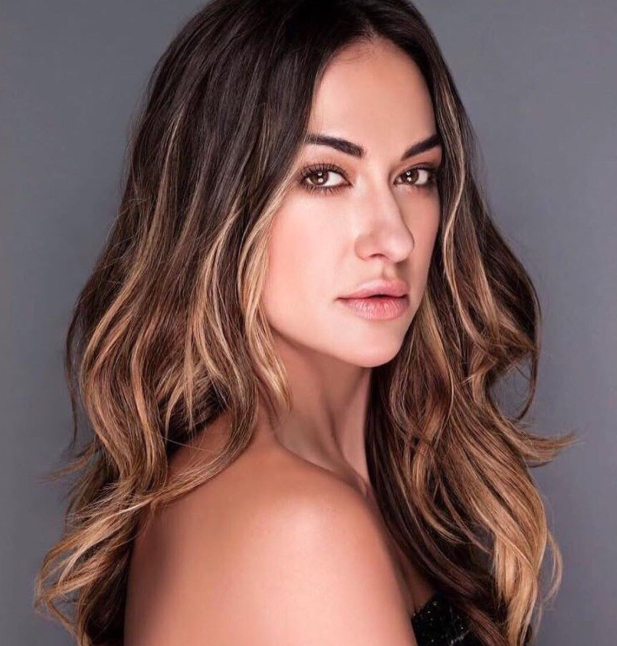
Reading a Tasya Teles Interview The 100 does not read as too polished and dramatic. The voice tends to remain down-to-earth and work-oriented. Her part in The 100 relates more to group dynamics than individual instances. The conversation can easily change to preparation and filming realities. The same tone is observed when people visit Tasya Teles’s supernatural TV roles. Interviews are more process-oriented than storytelling. That trend recurs many times.
Role preparation entails physical and mental adaptations over a period of time.
A Lot of Tasya Teles Interviews In the 100 talks, preparation is evident. It is not only about remembering lines or appearing. Physical preparedness is important, as scenes may be taxing. The same can be said regarding Tasya Teles’s supernatural TV roles, where it is common to need stamina in the environments. These functions are not fixed. They require continuous re-tuning during filming. It is not a one-time endeavor but a gradual process.
The context in a particular scene is vital to character portrayal.
How a character acts varies with the circumstances. This concept is talked about in a Tasya Teles interview on The 100. Context influences the tone, response, and delivery in minor ways. Considering Tasya Teles’s supernatural TV roles, this trend can be traced to various shows. There are no characters in a single mode. They change as per the environment and occurrences. This forms a less rigid performance style.
Interviews emphasize teamwork over solo scenes.
A Tasya Teles Interview The 100, shows a conspicuous emphasis on teamwork. The discussion usually involves the dependence on scenes through group coordination. It is seldom concerning a single breakout performance. Collaboration continues to have a significant role when talking about Tasya Teles’s supernatural TV roles. The timing and consistency of actors depend on each other. This common effort determines the end outcome. It is not only about personal performance.
Filming conditions influence performance more than expected at first.
Conditions on set can change how scenes are performed. A Tasya Teles Interview: The 100 sometimes points out weather or location challenges. Viewers cannot see these factors all the time. The same is applicable in Tasya Teles’s supernatural TV roles, where it is typical to see outdoor filming. Cold, heat, or terrain can affect movement and delivery. These details matter behind the scenes. They influence how performances come together.
Dialogue delivery stays grounded and tied to immediate scene needs.
Lines are usually delivered practically and directly. In a Tasya Teles Interview In the 100, this approach is mentioned clearly. Dialogue serves the moment rather than adding extra emotion. When reviewing Tasya Teles’s supernatural TV roles, a similar style appears. It keeps conversations realistic and focused. This method supports the tone of each scene. It avoids unnecessary complexity in delivery.
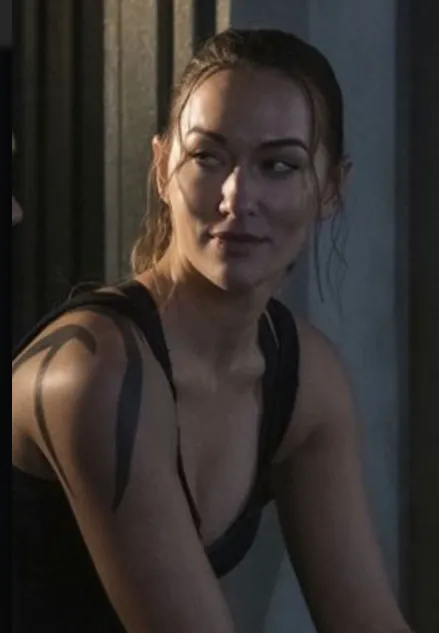
Audience expectations sometimes differ from actual production reality.
Viewers often imagine scenes differently from how they are filmed. A Tasya Teles Interview: The 100 helps clarify these differences. It explains the practical side of production that is not always visible. In Tasya Teles’s supernatural TV roles, expectations can also shift after learning these details. What looks smooth on screen may involve multiple takes. This creates a gap between perception and reality.
Role consistency depends on repeated practice and adjustment.
It is not easy to be consistent throughout the episodes. Repetition and adjustment are frequently referred to in a Tasya Teles interview on The 100. It can take a number of tries to get the final version of the scenes. This is also applicable to Tasya Teles’s supernatural TV roles. Consistency is created over time and is not instant. It involves attention to detail. Small adjustments make a difference.
Interviews provide useful context for understanding performance choices.
Watching episodes alone does not explain everything. A Tasya Teles Interview: The 100 adds extra context to certain scenes. It helps explain why certain choices were made. Looking at Tasya Teles supernatural TV roles, interviews serve the same purpose. They fill in gaps left by the final edit. This makes it easier to understand the process. It adds another layer to viewing.
Experience across different shows shapes an overall acting approach.
Working on different projects builds a broader skill set—a Tasya Teles Interview. The hundred often reflects on experience. These experiences influence how roles are approached. In Tasya Teles’s supernatural TV roles, this variety becomes more visible. Skills transfer between projects in subtle ways. It creates a more adaptable performance style. This flexibility shows over time.
Small performance details often go unnoticed without careful viewing.
Not every detail stands out during normal viewing—a Tasya Teles Interview. The hundred sometimes points out small elements. These include gestures, timing, or reactions. When looking at Tasya Teles’s supernatural TV roles, similar details appear across scenes. Careful observation reveals these elements more clearly. They contribute to overall performance quietly. They are easy to miss without focus.
Conclusion
Understanding interviews and roles together gives a clearer picture of how performances are built and maintained across different shows. The combination of preparation, collaboration, and real filming conditions shapes what viewers eventually see. Each element adds to the final performance in a practical way. Paying attention to both interviews and scenes improves overall understanding. For more detailed insights and ongoing updates, continue exploring reliable sources and follow professional content regularly.