

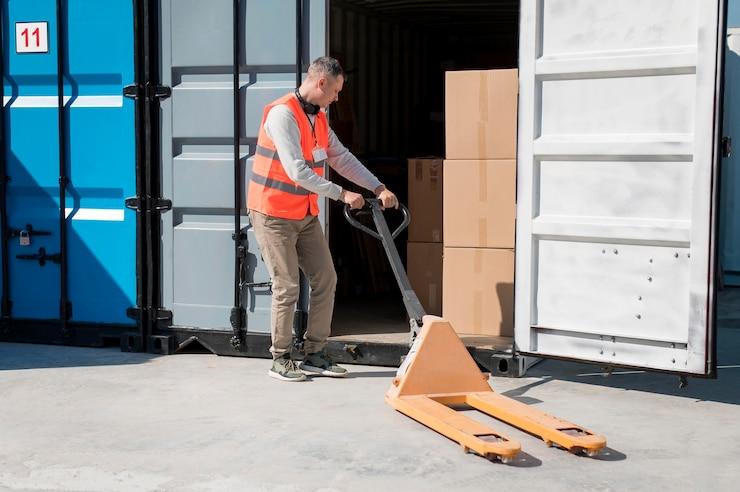
Transportation of bulk liquids is a very daunting task that requires careful handling. If a minor mistake occurs, transloading can become riskier, leading to increased costs, inefficiencies, and disruption of business operations. For the safe movement of chemicals, fuels, and other hazardous liquids, businesses need transloading services. These services manage your cargo, liquid capacities, long-distance shipping, and ever-changing transportation demands without compromising safety or compliance. Here is a look at some benefits of transloading services and why they are important for the smooth operation of supply chains without delays or damage.
1. Seamless Transloading Operations
Transloading ensures that cargo products move seamlessly between different transportation modes, such as from rail to truck. Transportation of fuels and liquids requires expert handling, specialized equipment, and skilled operators so that both liquid and dry goods are safely packed for shipment. Businesses can coordinate the transfer, such as using rail for long-distance cargo movement while maintaining the flexibility of trucking for last-mile deliveries. Moreover, proper transloading minimizes the risk of spills and contamination. Whether you are managing bulk liquids, dry freight, or time-sensitive shipments, transloading services ensure that your cargo reaches its destination safely and on time.
2. Enhanced Supply Chain Flexibility
When long-haul demands of cargo increase and businesses face capacity constraints, they need a plan that does not disrupt supply chain operations. Transloading services provide flexible scheduling so that fuels and chemicals flow at a smooth rate. They follow haul routes that can be easily adapted for long or short distances according to your timelines. During peak periods, transloading services can handle high volumes of bulk liquids, ensuring there is no disruption. Their adaptable models also protect you from potential shortages or delays.
3. Broader Distribution Access
Cargo movements and shipping can be rigid, and handling them without expertise can lead to losses or compromise your business reputation. Working with transloading services enhances market access without requiring your own rail infrastructure. They use regional transload facilities, including rail and tanker trucks, to ensure efficient business operations and smooth delivery. This approach frees you from dependence on rail systems, allowing your products to reach multiple markets. Transloading experts ensure consistency of services, standards, and regulatory compliance.
4. Responsive Shipment Management
Transloading services allow businesses to ensure timely deliveries and better responsiveness to clients and customers. These services give shippers flexibility in handling liquids and chemicals during transit. Inventories can also be placed closer to high-demand locations, making it easier to meet customer needs. If you need to redirect bulk liquids, split them into smaller shipments, or change routes without disruption, transloading services make it possible. By accommodating changes in demand or supply chain adjustments, transloading improves the responsiveness of your business.
5. Enhanced Safety and Control
Transloading services allow businesses to handle sensitive and dangerous materials in a safe environment with expert oversight. Skilled operators follow established transfer systems and strict quality and security procedures to minimize the risk of spills or accidents. They also maintain tanker fleets and long-haul shipping schedules to help meet deadlines and ensure smooth final delivery. Safety, compliance, and operational control are therefore enhanced throughout the cargo movement process.