

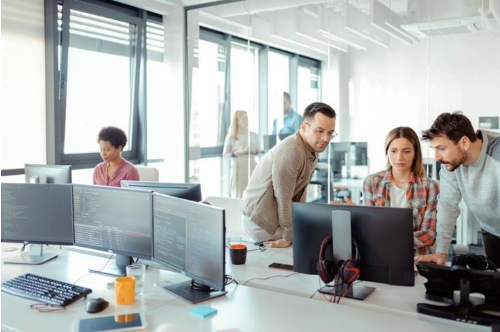
Companies are no longer relying solely on traditional methods to manage operations. Modern tools offer smarter ways to track sales, manage staff, and streamline processes. From cloud-based software to mobile apps, businesses of all sizes are finding ways to work faster and smarter. Technology isn’t just a convenience—it’s a competitive advantage.
Optimizing Sales Tracking With A Pos System
A pos system, or point-of-sale system, is more than just a cash register. It is a digital platform that records sales, tracks inventory, and manages customer interactions. By adopting a pos system, businesses can gain instant insights into which products sell best and identify trends in customer behavior. Managers can make decisions backed by real-time data instead of guesswork. This kind of automation reduces human error and saves hours of manual reporting. Integrating a pos system ultimately helps businesses operate more efficiently while staying responsive to market changes.
Enhancing Payroll Management With Remote Payroll
Remote payroll systems allow businesses to process employee payments securely from anywhere. Unlike traditional payroll methods, remote payroll software eliminates the need for physical paperwork and in-person approvals. Employees can receive payslips digitally, and managers can ensure compliance with tax regulations automatically. This approach simplifies payroll, reduces errors, and frees up time for HR teams. Using remote payroll systems ensures staff are paid accurately and on time, which improves overall operational reliability and employee satisfaction.
Streamlining Inventory And Sales With A Pos System
Inventory management is critical for any business with physical products. A pos system helps track stock levels in real time, providing alerts when items run low or are overstocked. This prevents losses from expired products or missed sales opportunities. Integration with sales data allows for smarter purchasing decisions, reducing waste and increasing profit margins. Businesses that use a pos system for inventory gain greater control over their supply chain, creating smoother day-to-day operations.
Simplifying Compliance Through Remote Payroll Tools
Payroll compliance can be complicated, with local laws and tax regulations constantly changing. Remote payroll software simplifies this process by automatically calculating deductions, tax contributions, and other statutory requirements. Businesses can maintain accurate records and generate reports instantly for audits or management reviews. This reduces the risk of legal penalties and ensures employees’ rights are protected. Implementing remote payroll solutions keeps financial operations compliant, efficient, and stress-free.
Integrating Customer Insights With Modern Technology
Modern technology solutions extend beyond sales and payroll. Customer data collected through pos systems or online platforms can inform marketing strategies and service improvements. Businesses can segment their audience, track preferences, and deliver personalized experiences. Combining this data with operational insights creates a holistic view of business performance. Technology thus bridges the gap between internal efficiency and external customer satisfaction.
Expanding Team Collaboration With Digital Solutions
Team collaboration tools, cloud storage, and communication apps allow staff to work together seamlessly, even across locations. Projects can be tracked in real time, updates shared instantly, and approvals obtained without delay. This digital approach reduces miscommunication and accelerates decision-making. When combined with tools like remote payroll and pos systems, it ensures every part of the business operates in sync.
Conclusion
Modern technology solutions are no longer optional—they are essential for improving business operations. Tools like pos systems streamline sales and inventory management, while remote payroll ensures employees are paid accurately and on time. Together, these systems enhance efficiency, reduce errors, and provide valuable insights for better decision-making. Businesses that embrace these technologies are not just keeping up—they are setting themselves up for sustainable growth and long-term success.