

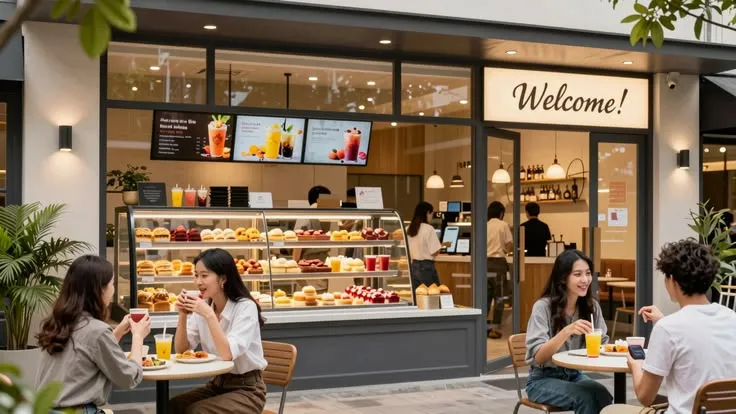
Not every food business needs a large dining area or an extensive kitchen. Compact snack concepts have become popular because they can often operate from smaller spaces while serving products that are quick to prepare, easy to understand, and suitable for takeaway or delivery. For first-time entrepreneurs, this format may appear more manageable than running a full-service restaurant.
Momos and dimsum-style products fit well within this model. They can appeal to students, office workers, families, and young customers looking for convenient snacks or light meals. Still, popularity alone is not enough to make a franchise successful. Location, pricing, preparation speed, menu variety, and operating discipline all deserve careful attention.
Start With the Customer Base
Someone researching the Best Dimsum Franchise should first study the likely customers in the intended area. A product that performs strongly near colleges or busy commercial districts may not generate the same response in every residential neighbourhood.
Age profile, average spending, competition, and eating habits matter. A location surrounded by students may respond well to affordable combo meals, while an office district may require faster lunchtime service and reliable takeaway packaging.
Observing existing snack outlets during different times of day can reveal more than general market reports. Actual queues, delivery activity, menu prices, and customer turnover provide useful clues about local demand.
Evaluate the Momo Market
The growing interest in momos franchise in india reflects how widely the category has spread beyond its earlier regional appeal. Momos are now available through kiosks, cafes, food courts, cloud kitchens, and standalone outlets in many cities.
This wider acceptance creates opportunity, but it also creates competition. An entrepreneur should understand what will differentiate the chosen franchise. Product consistency, filling options, sauces, hygiene, presentation, pricing, and brand familiarity can all influence purchasing decisions.
It is also worth checking whether the menu depends mainly on one product or includes complementary items that can increase the average order value.
Keep Operations Simple
One advantage of a focused snack concept is that the kitchen may be easier to organise than a broad restaurant menu. Fewer core ingredients can simplify purchasing, training, and storage.
However, simplicity still requires discipline. Dough preparation, fillings, steaming or frying, sauces, storage temperatures, and portion control need standardised procedures. Small differences in preparation can quickly affect taste and customer satisfaction.
Investors should ask whether ingredients arrive ready to use, partially prepared, or need to be made locally. This affects staffing, equipment, storage space, and daily workload.
Compare Outlet Formats
Momo businesses can operate in several formats, including kiosks, takeaway counters, food-court units, delivery kitchens, and small dine-in outlets. Each format has different cost and revenue implications.
A kiosk may reduce rent and staffing requirements but depends heavily on footfall. A delivery kitchen can operate away from premium retail frontage but may incur platform commissions and digital promotion expenses. A dine-in outlet can support higher bills but requires more space, interiors, and service staff.
The best choice depends on local demand and available capital rather than simply choosing the most visible format.
Calculate Order-Level Margins
Before investing, entrepreneurs should estimate the contribution earned from a typical order. Ingredient cost is only one component.
Packaging, sauces, discounts, delivery-platform charges, payment fees, wastage, and franchise-related expenses can reduce margins. Fixed costs such as rent, salaries, utilities, maintenance, and local promotion must then be covered.
Calculate how many orders are needed per day to reach monthly breakeven. Running this calculation at different sales levels can help reveal whether the business has enough financial flexibility during slower periods.
Check Franchise Support
A franchise should ideally offer more than branding. Investors should ask about recipes, sourcing, equipment guidance, staff training, outlet design, launch assistance, technology, quality checks, and local marketing support.
The agreement should clearly explain franchise fees, royalties, territory rights, renewal conditions, mandatory suppliers, and exit provisions. These details can materially affect long-term operating costs.
Speaking with existing franchisees can also provide useful insight into whether promised support continues after the outlet opens.
Conclusion
Compact snack franchises can appeal to first-time food entrepreneurs because they may require less space and offer a straightforward product proposition. However, a smaller format does not eliminate the need for careful planning.
The strongest investment decisions come from understanding local demand, outlet economics, menu practicality, staffing, competition, and franchise support. When these factors are reviewed realistically, entrepreneurs can judge whether a momo or dim sum concept genuinely fits their market and budget rather than relying only on the popularity of the product.