

Table of Contents
- Introduction
- Strengthening Family Bonds
- Enhancing Physical Health
- Promoting Mental Well-being
- Developing Life Skills
- Fostering Environmental Awareness
- Creating Lasting Memories
- Encouraging Digital Detox
- Conclusion
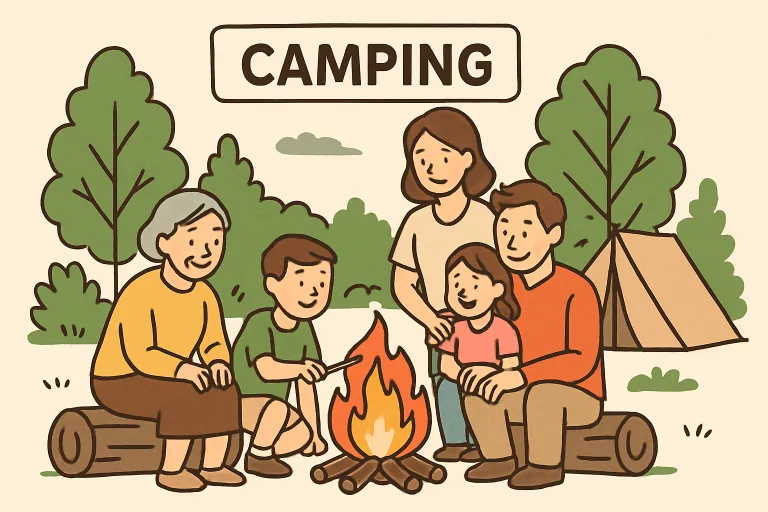
Camping is one of the best ways for families to break away from their daily routines and spend quality time together. Whether it is a weekend adventure in the mountains or a week-long stay at a resort, outdoor trips allow people of all ages to bond, learn, and reconnect. These getaways are more than just a retreat; they are opportunities to build memories and enjoy the many health and personal development benefits of being outdoors. For families looking for their next adventure, exploring options like camping New Hampshire brings everyone closer to nature and to each other.
Removing oneself from the constant distractions of work, school, and digital life resets the mind and spirit. Family camping requires teamwork whether it is setting up camp together, organizing outdoor activities, or simply preparing meals by the fire. These cooperative efforts strengthen relationships and create a sense of achievement for everyone involved.
The benefits of camping stretch far beyond having fun under the stars. Children develop independence and curiosity, teens can unwind from social pressures, and adults rediscover the joy of simple pleasures. Families return home with new skills, a deeper connection to nature, and stories that will be shared for years to come.
By immersing families in interests like hiking, fishing, and storytelling by the fire, camping fosters shared experiences that unite all generations. It is no wonder that so many families make outdoor travel a treasured tradition.
Strengthening Family Bonds
When families camp together, they communicate, cooperate, and rely on one another in unique ways. Teamwork becomes necessary for setting up tents, navigating trails, and accomplishing daily chores. Each person has an important role that helps kids feel useful and helps adults appreciate the efforts of every family member. According to the American Camp Association, shared camp experiences increase family cohesion, foster expressiveness, and lower conflict. Activities like cooking over an open fire or building a shelter provide hands-on opportunities to work together and celebrate small victories as a team.
Enhancing Physical Health
Camping naturally encourages movement. Hiking through forests, paddling a canoe, or playing games by the lake all strengthen muscles, build cardiovascular endurance, and support overall wellness. Children benefit from physical play and fresh air. Simple activities like gathering firewood, swimming, or biking develop coordination and boost mood for kids and adults alike. Staying active outdoors also helps regulate sleep patterns, while exposure to natural sunlight supports vitamin D levels, bone health, and immunity.
Promoting Mental Well-being
Spending time in green spaces is proven to reduce stress and improve emotional health. The relaxing rhythms of nature, such as rustling leaves or gentle running water, provide a calming backdrop. Families find it easier to unwind, communicate more openly, and enjoy restorative sleep. The YMCA highlights that camp settings create a safe space where children develop a sense of belonging and feel less isolated. Learn about more benefits for children here.
Developing Life Skills
Camping teaches resilience, adaptability, and practical problem-solving. Whether learning to map out a trail, cook on a camp stove, or tackle unexpected weather, everyone hones survival skills that apply far beyond the campsite. Children gain self-confidence as they master pitching tents or fishing. Adults relearn forgotten skills and enjoy mentoring their children in hands-on tasks. These experiences create a sense of accomplishment and independence among participants of all ages.
Fostering Environmental Awareness
Environmental respect and stewardship develop naturally during family camping trips. Families learn to identify trees, birds, and wildlife and begin to understand the fragile balance of local ecosystems. Adopting Leave No Trace principles or participating in campsite clean-up events instills a sense of responsibility for preserving natural spaces. These lessons help ensure that future generations will appreciate and protect the environment.
Creating Lasting Memories
From storytelling by the fire to first hikes up a mountain, camping adventures create lasting memories that families treasure forever. These stories become part of the family’s shared history, helping keep connections strong across distance and time. Morning laughter at the campsite, shared discoveries along the trail, and overcoming obstacles together foster a bond that digital connections alone cannot match.
Encouraging Digital Detox
Stepping away from screens is one of the greatest gifts of camping. Without the constant interruptions of emails, TV, and social media, families reconnect in genuine ways. Board games, conversation, and group activities replace passive entertainment. This digital break enables everyone to become more present and attentive, deepening their connections with one another and the natural world around them.
Conclusion
Family camping provides a wealth of lasting benefits for people of all ages. From fostering physical health and emotional well-being to developing essential life skills and instilling a respect for nature, camping experiences strengthen family bonds in ways that few other activities can. By committing to regular outdoor adventures, families develop resilience, unity, and a lifetime of cherished memories one campfire at a time.