

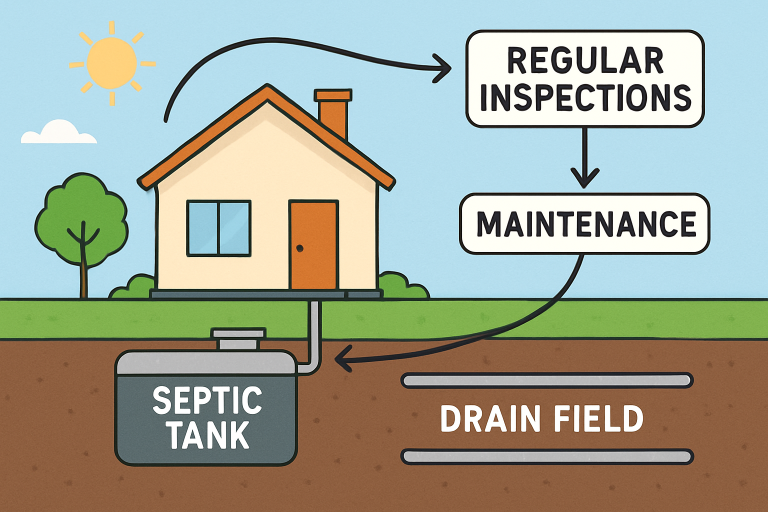
Key Takeaways
- Regular septic maintenance prevents costly repairs and system failures.
- Proper care protects groundwater and local ecosystems from contamination.
- Routine inspections and pumping extend the lifespan of the septic system.
Table of Contents
- Introduction
- Preventing Costly Repairs
- Protecting Groundwater and the Environment
- Extending System Lifespan
- Health and Safety Considerations
- Best Practices for Septic Maintenance
- Signs of Septic System Issues
- When to Call a Professional
- Conclusion
Proper septic maintenance is vital for homeowners utilizing on-site wastewater treatment systems. A well-maintained septic system ensures efficient waste processing, protects your property, and supports the health of your family and the wider community. Reliable septic tank maintenance Orlando FL plays a crucial role in preventing unexpected problems and ensuring long-term performance.
Without regular maintenance, septic systems can develop issues that escalate from minor inconveniences to costly repairs or environmental hazards. Homeowners who adhere to recommended maintenance schedules are better equipped to preserve property value and environmental quality.
Septic systems that receive timely inspections and pumping intervals operate more efficiently, leading to fewer breakdowns and a lower risk of health complications associated with faulty wastewater treatment. Prioritizing maintenance today protects both your investment and the natural resources surrounding your home.
The consequences of neglecting septic systems can be severe, ranging from contaminated groundwater to public health threats. Taking proactive steps ensures peace of mind and helps maintain compliance with local regulations.
Preventing Costly Repairs
Consistent septic maintenance is the most reliable defense against unexpected and expensive repairs. Homeowners who neglect pumping and routine check-ups may face system failures, often resulting in invasive and costly interventions. According to the Environmental Protection Agency, the cost of routine septic tank pumping generally ranges from $250 to $500 every 3 to 5 years, which is a small investment compared to the staggering $5,000 to $15,000 it can cost to replace a failing septic system. Regular maintenance is not just about cost-saving, but about protecting your property and neighborhood from the inconvenience and financial burden of a total system breakdown.
Protecting Groundwater and the Environment
Septic systems that are not properly maintained can leak untreated wastewater into the soil and nearby water sources. This threat to groundwater is particularly significant in communities that depend on well water, as contaminated water can carry dangerous pathogens and chemicals. Environmental damage can also extend to local streams, rivers, and lakes, harming wildlife and natural resources. Regular inspections, timely repairs, and responsible usage protect local ecosystems and ensure compliance with environmental regulations. For more detailed information on groundwater risks, readers can refer to the Environmental Protection Agency’s guide on septic systems.
Extending System Lifespan
Homeowners who schedule regular septic inspections and maintenance significantly prolong the life of their systems. Identifying issues early allows for timely repairs, which are far less invasive and costly than addressing a major failure. Consistent care, including proper pumping intervals, appropriate waste disposal, and mindful water usage, leads to optimal performance that can last for decades. Routine attention ensures the septic components remain functional and efficient, adding real value and long-term service to the property.
Health and Safety Considerations
One of the most important reasons for regular septic system care is the impact on health and safety. A neglected septic system can expose household members to pathogens such as bacteria, viruses, and parasites, which can cause serious illness. System malfunctions can cause raw sewage to surface in yards or back up into homes, creating hazardous living conditions and potentially violating local health codes. Designed to treat and filter wastewater before it returns to the environment, a properly working septic system shields your family and community from significant health risks.
Best Practices for Septic Maintenance
- Regular Inspections: Have your septic system inspected by a certified professional at least every three years. Professional technicians can spot early warning signs and offer advice on needed repairs or upgrades.
- Pumping Schedule: Adhere to a three to five-year schedule for septic tank pumping, or more frequently for larger households or heavy usage. Routine pumping prevents solids from escaping into the drain field, which can lead to system clogs or failures.
- Proper Waste Disposal: Avoid flushing anything that is not biodegradable or specifically designed for septic systems, such as wipes, hygiene products, or harsh chemicals. Proper waste habits reduce the risk of clogs and deterioration.
- Water Conservation: Install water-saving fixtures and repair leaks quickly. Conserving water helps ensure the septic system is not overwhelmed by excess wastewater, supporting efficient operation and longevity.
- Drain Field Care: Protect your drain field by keeping cars, heavy equipment, and deep-rooted plants away from the area. Compacted soil or physical damage can significantly reduce its efficacy.
Signs of Septic System Issues
Early detection is key to avoiding critical septic failures. Warning signs that may indicate septic system distress include:
- Slow-draining sinks and toilets indicate possible clogs or system overload
- Persistent unpleasant odors around the property, signaling leaks or backup
- Standing water or damp areas near the drain field can suggest drain failure
- Unusually lush or green grass over the septic tank area, hinting at leaks from below
If any of these symptoms appear, prompt evaluation and intervention can prevent further damage and restore your system’s function. Timely action is crucial to avoid complications and higher expenses down the line.
When to Call a Professional
While homeowners can manage routine care, certain septic problems require skilled assessment and repair. Professional help is recommended in cases such as sewage backing up into the house, foul odors that persist despite your best efforts, or visible evidence of system failure, such as puddling over the drain field. Certified septic technicians have the tools and expertise to accurately diagnose problems and implement effective solutions that safeguard health and property.
Conclusion
Maintaining a septic system is not just routine home care; it is a critical step in protecting your investment, your health, and your local environment. By following established best practices, homeowners significantly reduce the risk of costly repairs, extend the useful life of their systems, and contribute to the well-being of their neighborhoods. Paying attention to signs of trouble, scheduling professional check-ups as needed, and making informed maintenance choices ensures that your wastewater treatment system continues to serve reliably for years to come.