

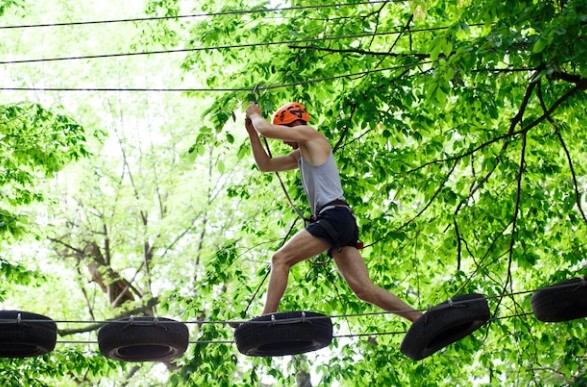
Participating in an aerial obstacle course is an exciting way to challenge yourself, improve balance, and enjoy a thrilling adventure above the ground. However, safety should always be a top priority. Proper preparation, awareness, and technique ensure that your experience is both fun and secure. Whether it’s your first time or you are returning to the course, following key safety tips will help you navigate obstacles with confidence.
1. Understand the Course Layout
Before starting, take the time to understand the structure and difficulty of the aerial obstacle course. Courses often have multiple levels, from beginner to advanced, so choosing the right level for your experience and comfort is crucial.
Attend the safety briefing provided by the staff, which explains the rules, how to use the equipment, and emergency procedures. Familiarizing yourself with the course layout reduces anxiety and allows you to move confidently from one obstacle to another.
2. Wear Proper Safety Gear
Proper gear is essential for safety and comfort. Always wear a well-fitted harness and helmet, and use gloves if provided to improve grip. Closed-toe shoes with good traction are important for navigating ropes, beams, and platforms safely.
Avoid loose clothing or accessories that could get caught in the equipment. Checking that your gear fits correctly and is properly secured will prevent accidents and help you feel more confident as you progress.
3. Stay Clipped In and Focused
One of the most important rules on an aerial obstacle course is staying securely attached to the safety line at all times. Most courses use a continuous belay or double-clip system to prevent falls.
Always double-check that at least one carabiner is clipped before moving forward. Take your time when transitioning between obstacles and avoid rushing. Remaining securely connected minimizes risk and allows you to focus fully on completing each challenge.
4. Move at a Comfortable Pace
Confidence comes from control, not speed. Move deliberately across obstacles, focusing on balance and stability. Pausing on a platform to catch your breath or assess the next obstacle is completely normal.
Rushing can lead to slips, fatigue, or mistakes. By maintaining a steady pace, you will enjoy the experience more and reduce the chance of accidents while building your confidence throughout the course.
5. Use Proper Technique and Body Position
Good technique makes navigating obstacles easier and safer. Keep your center of gravity low, maintain three points of contact whenever possible, and engage your core muscles to stay balanced.
Grip ropes or beams firmly but avoid over-tightening, which can cause unnecessary strain. By moving deliberately and using proper body positioning, you can complete obstacles more efficiently and reduce the risk of injury.
6. Know Your Limits and Stay Aware
Finally, listen to your body and respect your limits. Outdoor courses can be affected by weather, such as wind or rain, which may make obstacles slippery or unstable. Maintain a safe distance from other participants and follow staff instructions at all times.
If you feel fatigued, dizzy, or uncomfortable, alert a staff member and use designated exit points if needed. Being aware of your surroundings and personal limits ensures a safe and rewarding aerial obstacle course experience.