

Key Takeaways
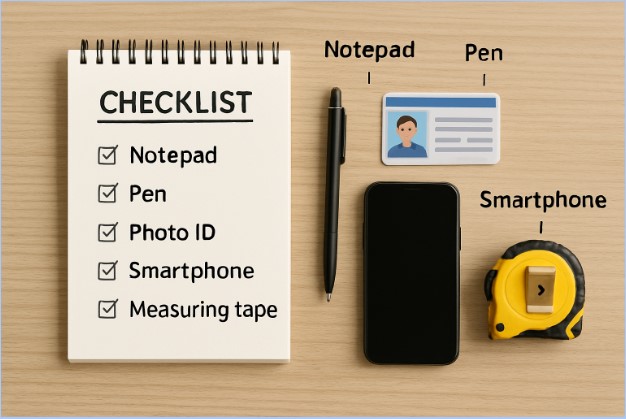
- Bring essential items, such as a valid photo ID, a notepad, and a measuring tape.
- Prepare a list of must-have amenities and questions to ask during the tour.
- Inspect the apartment thoroughly for functional and safety concerns.
- Evaluate both neighborhood safety and building amenities.
Table of Contents
- Essential Items to Bring
- Preparing Your Questions and Checklist
- Conducting a Thorough Apartment Inspection
- Evaluating the Neighborhood and Building Amenities
- Understanding the Application Process
- Conclusion
Embarking on your search for a new apartment is both an exciting and significant step. Preparation can make all the difference between finding a comfortable home and missing out on essential details. By planning and bringing the right materials, you can maximize each tour and stay organized as you compare various options, such as a 3 bed 2 bath apartment for rent in Boston Mission Hill. From understanding what to look for in an apartment to evaluating the surrounding neighborhood, thoughtful preparation ensures you make confident decisions without overlooking key factors during your search.
Being systematic will help you remember details after touring multiple apartments and ask informed questions of property managers. Whether you’re a first-time renter or a seasoned mover, preparing for an apartment tour sets you up to find a space that fits your needs and lifestyle, potentially helping you avoid costly mistakes and ending up in a less-than-ideal living situation. Knowing what steps to take ahead of time means you’ll walk away from each tour with valuable information that’s easy to compare later.
Some aspects—like building amenities or lease policies—are easy to overlook in the excitement of viewing a new space. A proactive approach to your tour helps you identify potential issues early and feel confident when deciding to apply for your new home. Beyond the unit itself, awareness of the neighborhood, safety, and nearby conveniences is essential for a well-rounded evaluation.
For more in-depth tips on navigating a competitive rental market or understanding your rights as a tenant, reputable resources like Realtor.com offer comprehensive advice to help guide your apartment search.
Essential Items to Bring
Before leaving for an apartment tour, it’s essential to be fully prepared with the necessary tools and documents. A valid photo ID, such as a driver’s license or passport, is commonly required for entry or to sign in at leasing offices. Having a notepad and pen on hand allows you to record your impressions, questions, and any important details to compare after seeing multiple units. A measuring tape can be invaluable; use it to check if your current furniture will fit into doorways, bedrooms, and living areas.
Equally important, bring your smartphone or camera to take photos and videos during the tour, particularly if you plan to visit several places in one day. This makes it much easier to recall the unique features or drawbacks of each apartment later. Finally, prepare a physical or digital checklist of your must-have amenities and deal-breakers, so you don’t get distracted by flashy features and forget your priorities.
Preparing Your Questions and Checklist
Arriving with a thoughtfully prepared set of questions ensures no surprises surface after you sign a lease. Questions about what’s included in the rent—such as utility costs, parking availability, or storage space—can significantly impact your monthly expenses. It’s also crucial to ask about the maintenance request process, turnaround times, and whether any move-in specials are currently available.
Lease terms can vary significantly between landlords, so be prepared to ask questions about lease length, renewal policies, subleasing, and whether renters’ insurance is required. Your checklist should include the functionality of appliances, water pressure and temperature, visible damage or mold, the presence of smoke detectors, or overall cell phone reception throughout the apartment. This list serves as your safeguard for ensuring you don’t miss anything important along the way.
Conducting a Thorough Apartment Inspection
When touring, methodically inspect each room and make note of any issues that might require attention. Bring a phone charger to test electrical outlets for sufficient coverage and power. Turn on faucets and showers to assess water pressure, temperature consistency, and look for leaks or drainage issues. Ensure all windows and doors open, close, and lock securely—drafts or sticking points may indicate bigger problems later on.
Next, closely examine the walls, floors, and ceilings for cracks, stains, or signs of water damage that may indicate unresolved leaks or structural issues. Thoroughly check under sinks, inside cabinets, and along baseboards for pest droppings or chew marks, as their presence can quickly turn your dream apartment into a nightmare. Making these checks not only protects your comfort but can also help in negotiating necessary repairs before you move in.
Evaluating the Neighborhood and Building Amenities
The setting of your apartment is nearly as important as the unit itself. Research neighborhood safety by looking up crime rates and reading local community boards; talking with existing residents can provide invaluable insight. Pay attention to the location’s convenience to essentials like grocery stores, pharmacies, public transportation, and schools.—These factors significantly impact our daily routine and overall satisfaction with our living situation.
Explore building amenities, such as laundry rooms, gyms, communal lounges, or outdoor spaces, to determine if they meet your standards and lifestyle needs. Evaluate noise levels by visiting at different times of the day to gauge traffic or activity levels. If you’re new to the area, external resources like Realtor.com provide helpful perspectives on choosing the right neighborhood and navigating communal living.
Understanding the Application Process
Preparedness can expedite your application and give you a competitive edge in a competitive market. Have digital or physical copies of your proof of income, such as recent pay stubs or an employment letter, readily available. Secure references from prior landlords and be prepared for a credit check. Most leasing offices require a completed application form and may charge an application fee, so it’s wise to know these details in advance.
In some instances, landlords may request a co-signer if you don’t meet their income or credit requirements. Be sure to ask about upfront costs, such as deposits or fees, and clarify the refund policies for both. Having clear answers will make the process smoother and save time if you decide to proceed with an application.
Conclusion
Careful preparation for your apartment tour is one of the surest ways to secure a home that fits your needs, lifestyle, and budget. By bringing essential items, preparing pointed questions, conducting a detailed inspection, and thoughtfully evaluating the neighborhood, you give yourself every advantage in making an informed choice. Understanding the application process and having your documents ready will further streamline your path to finding an apartment that feels just right. Let your preparation empower your search, ensuring a smooth transition to your next chapter.